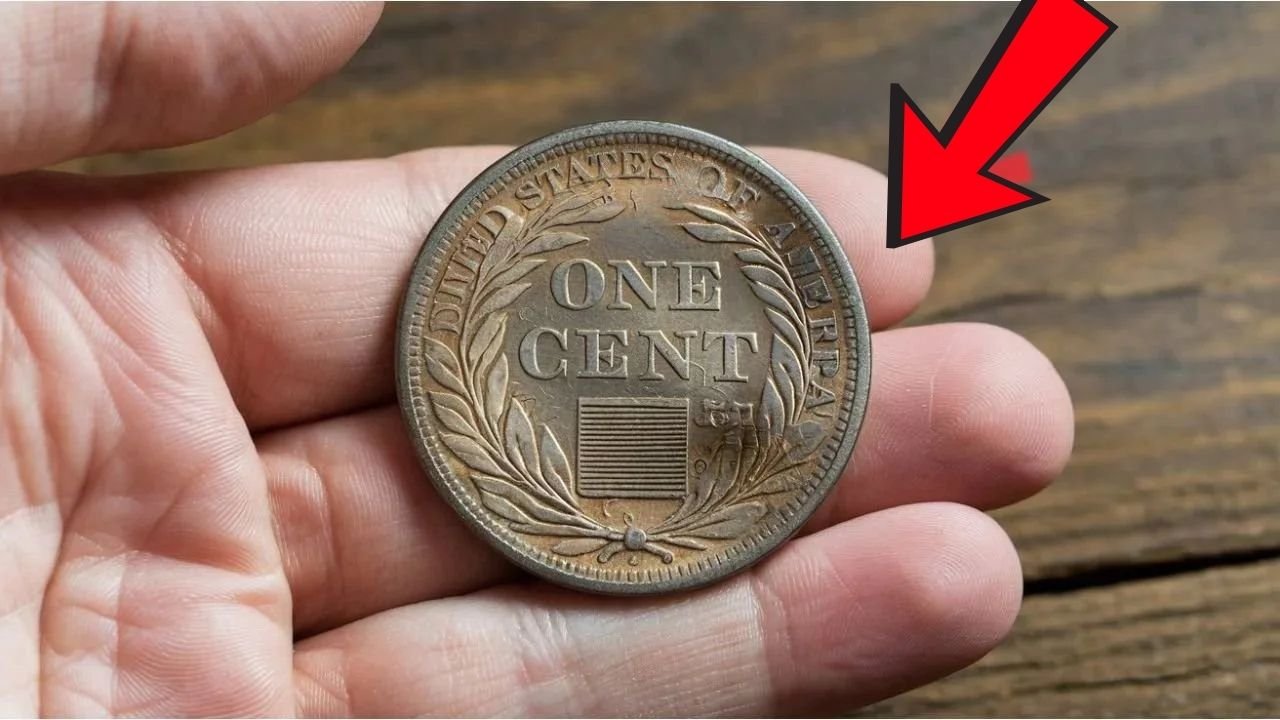
Hey folks, if you’ve got a jar full of old pennies rattling around in the garage, it’s time to dig them out. Wheat pennies, those classic Lincoln cents with the wheat stalks on the back, have been turning heads in the coin world. Minted from 1909 to 1958, these little guys were once just pocket change. But over the past 10 years, their value has climbed like a kid on a jungle gym. With online auctions booming and more folks hunting for treasures at home, what used to fetch a nickel now pulls in a buck or two. This guide breaks it down simple, so you can spot if you’ve struck gold without needing a fancy degree in numismatics.
A Quick Look Back at These Shiny Relics
Picture this: Abraham Lincoln’s face staring out from a copper coin, with two wheat ears framing the words “One Cent.” That’s the wheat penny, born right after Teddy Roosevelt pushed for better looking money. They stopped making them in 1958 for a new design, but millions are still out there in attics and change jars across America. Back in 2015, most folks saw them as junk. A beat-up one might go for a dime if you were lucky. Fast forward to today, November 2025, and the story’s different. The collector crowd has grown huge, thanks to apps like eBay and YouTube videos showing folks cashing in big. It’s not just nostalgia; silver and copper prices have ticked up too, giving these coins a real boost.
How Everyday Wheat Pennies Have Gained Steam
The real magic happened in the last decade as more everyday people jumped into collecting. What started as a hobby for grandpas turned into a side hustle for millennials stuck at home during the pandemic. Prices for common dates in good shape have doubled or tripled. Here’s a snapshot of how values shifted for your average circulated wheat penny over the years.
| Year | Value Range (Circulated) |
|---|---|
| 2015 | $0.05 – $0.20 |
| 2018 | $0.10 – $0.40 |
| 2021 | $0.15 – $0.60 |
| 2024 | $0.25 – $1.00 |
See that steady climb? By 2021, with everyone online more, sales spiked. A quick flip through auction sites shows a 1910 penny that sold for 25 cents in 2016 now going for 75 cents easy. It’s small potatoes compared to rare stuff, but stack a few rolls, and you’re talking real lunch money.
Spotlight on the Big-Ticket Key Dates
Not all wheat pennies are created equal. Some dates are like lottery tickets because of low mint numbers or minting goofs. Take the 1909-S VDB, with the designer’s initials that caused a stir back then. Or the 1955 doubled die, where Lincoln’s face looks a bit blurry from a press error. These bad boys have seen wild rides in value too, especially as stories about them go viral. Check out this table for a few stars and their average auction highs over time.
| Key Date | 2015 Value | 2025 Value |
|---|---|---|
| 1909-S VDB | $500 | $1,200 |
| 1914-D | $150 | $400 |
| 1955 DDO | $800 | $2,000 |
That 1955 doubled die? It jumped from under a grand in 2015 to over two grand now, thanks to a hot market for error coins. One guy in Ohio just sold his for $2,500 last month. If you find one, don’t clean it; that can tank the price faster than a bad bet.
What Drove the Price Surge? It’s All Connected
So why the uptick? Blame it on the internet first. Sites like PCGS and Heritage Auctions made it easy to buy and sell without leaving the couch. Then came 2020, with lockdowns turning folks to hobbies. Coin clubs popped up on Zoom, and wheat pennies became the gateway drug to collecting. Metal costs played a part too; copper’s price doubled since 2015, making even worn coins worth melting down, though that’s frowned on. Add in inflation and baby boomers passing down jars to kids, and you’ve got a perfect storm. Experts say the trend holds steady, but watch for economic dips that could cool things off.
Tips to Cash In Without Getting Burned
Want to turn your stash into spending money? Start by sorting by date and mint mark, that tiny “S” or “D” under the date. Use a magnifying glass, not your phone flashlight. For selling, hit up local coin shops for quick cash or online for top dollar, but factor in fees. Grading services like NGC can bump value if it’s pristine, but that’s 20 bucks a pop. And remember, condition is king: a shiny uncirculated one beats a pocket-rubbed mess every time.
Hold onto the dream, though. Wheat pennies aren’t just about money; they’re bits of history you can hold. That penny from your grandpa’s era? It might buy a coffee today, but tomorrow, who knows. With values still trending up, it’s a hobby that pays dividends in stories and surprises. Dust off that jar and start hunting, America. Your next big find could be closer than you think.