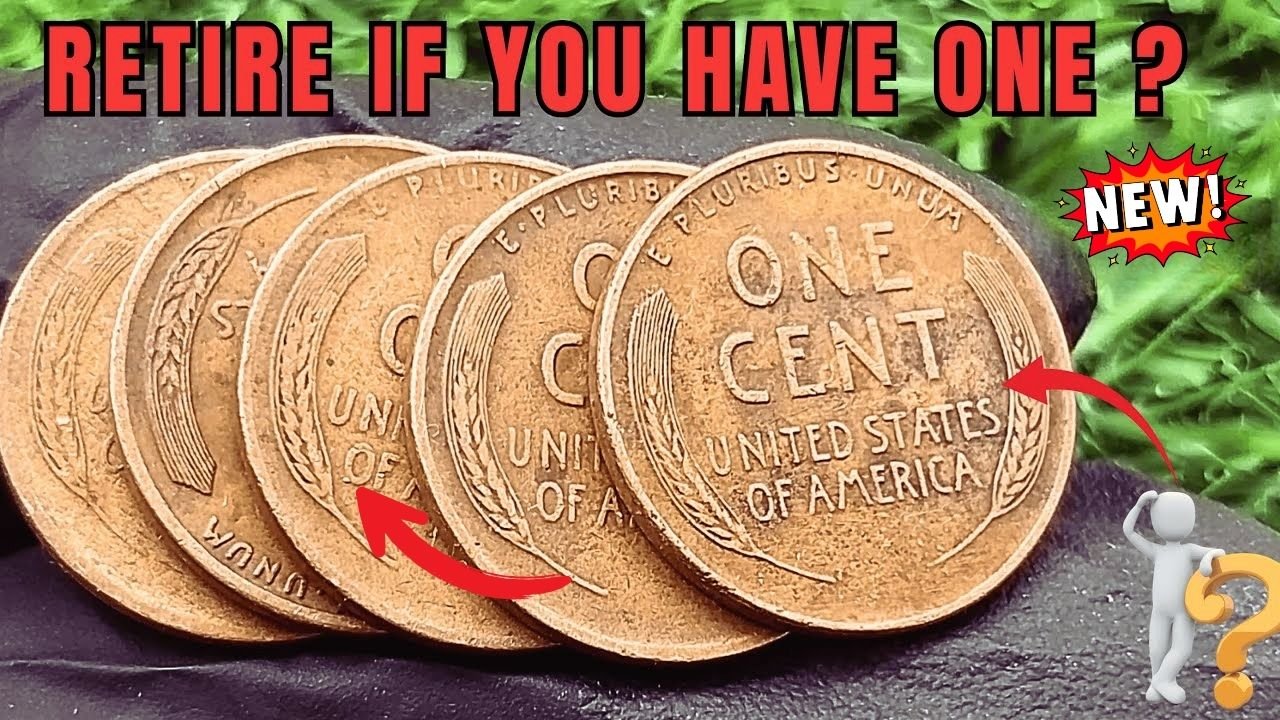
Digging Up Old Pocket Change
Hey folks, if you’ve got a jar of loose pennies on the shelf, grab it and sort through. Those brown coins with wheat stalks on the back? They’re called wheat pennies, and over the last 15 years, their worth has climbed nice and steady. Minted from 1909 to 1958, these little guys show Lincoln’s face up front and two wheat ears behind. Back in 2010, most weren’t worth much more than face value. But today, with more folks hunting coins online and at shows, even everyday ones can surprise you. Rare ones? They fetch thousands at auction. It’s like finding extra cash in your couch cushions, but way better.
This guide keeps it simple, no fancy talk. We’ll look at how prices moved since 2010, spot the big winners, and share tips to check your stash. Whether you’re new or been at it a while, these trends show why wheat pennies stay hot in the collector world.
A Quick Look Back
Wheat pennies kicked off to honor Lincoln’s 100th birthday. The U.S. Mint cranked out billions over those 50 years, using copper during wars and even steel in 1943 to save metal. Most circulated heavy, so finding one in top shape feels like luck. By the 2010s, the hobby boomed with eBay and YouTube videos showing big finds. Prices ticked up slow at first, then jumped as young collectors jumped in and silver bugs eyed the copper inside.
Supply shrinks every year too. Coins get lost, spent, or melted. That pushes values higher, especially for crisp ones graded by pros like PCGS or NGC. From 2010 to now, overall demand grew about 20 to 50 percent for good stuff, per auction data.
How Prices Have Shifted
Over 15 years, common wheat pennies saw steady gains. Take a plain 1941 from Philly, no mint mark. In 2010, a beat-up one went for pennies, while shiny uncirculated hit five bucks. Fast forward to 2025, and that worn piece pulls a quarter easy, with mint ones at 15 dollars or more. It’s not millions, but rolls up quick if you find a bag full.
Rarer dates from the teens or thirties climbed faster. Online sales and shows made it easier to spot deals, but inflation and collector fever added fuel. Here’s a snapshot for a typical mid-run wheat penny in two grades:
| Year | Circulated Value | Uncirculated Value |
|---|---|---|
| 2010 | $0.05 – $0.10 | $2 – $5 |
| 2015 | $0.10 – $0.20 | $4 – $8 |
| 2020 | $0.15 – $0.30 | $6 – $12 |
| 2025 | $0.25 – $0.50 | $10 – $20 |
These numbers come from average dealer sales and auctions. Yours might vary, but the uptick is clear.
Stars of the Show: Key Dates and Goofs
Not all wheats are equal. Key dates like the 1909-S VDB, with the designer’s initials, stay tough to find. In 2010, a nice one sold for around 500 dollars. By 2022, top grades hit 72 grand at Heritage Auctions. Then there’s the 1943 bronze error, made on copper when they switched to steel. One fetched 1.7 million back in 2010; now estimates top 2.3 million for mint state.
Double dies and off-metal strikes keep experts buzzing. The 1955 doubled die, with thick letters, went for 114 thousand in 2018. These errors turn pocket change into paydays. Check the date and back for wobbles or wrong shine.
For quick hits on big sellers, see this table of recent auction peaks:
| Coin Type | Year Sold | Sale Price |
|---|---|---|
| 1943-D Bronze | 2010 | $1,700,000 |
| 1955 Double Die | 2018 | $114,000 |
| 1909-S VDB | 2022 | $72,000 |
| 1944 Steel | 2021 | $190,000 |
These show how rarities lead the pack.
Spotting Winners in Your Stash
Start simple: Sort by year and mint mark, that tiny letter under the date. No mark means Philly. D for Denver, S for San Francisco. Low mintages, like under a million for 1914-D, scream potential. Shine a light through; red copper beats brown tarnish. Folds or scratches drop value, so handle gentle.
Get a cheap magnifier for errors. Doubled edges or weak strikes pop right out. For real money, send to grading services. It costs 20 bucks or so, but certified coins sell higher. Apps like PCGS CoinFacts give free guides too.
Selling Smart or Holding Tight
Found a keeper? Local shops buy quick for fair cash. Online, eBay works for commons, but auctions shine for keys. List clear pics, describe honest, and watch bids roll. Pros say hold if it’s gem quality; values keep rising.
Store right in soft albums, away from sun and fingers. Join clubs like the American Numismatic Association for tips and meets. It’s fun, and who knows, your kid might thank you later.
Why Bother Now?
Wheat pennies prove old stuff holds stories and bucks. In 15 years, they’ve gone from forgotten to favorites, with more growth ahead as boomers pass collections down. Check that jar today, pal. You might just bank on history.