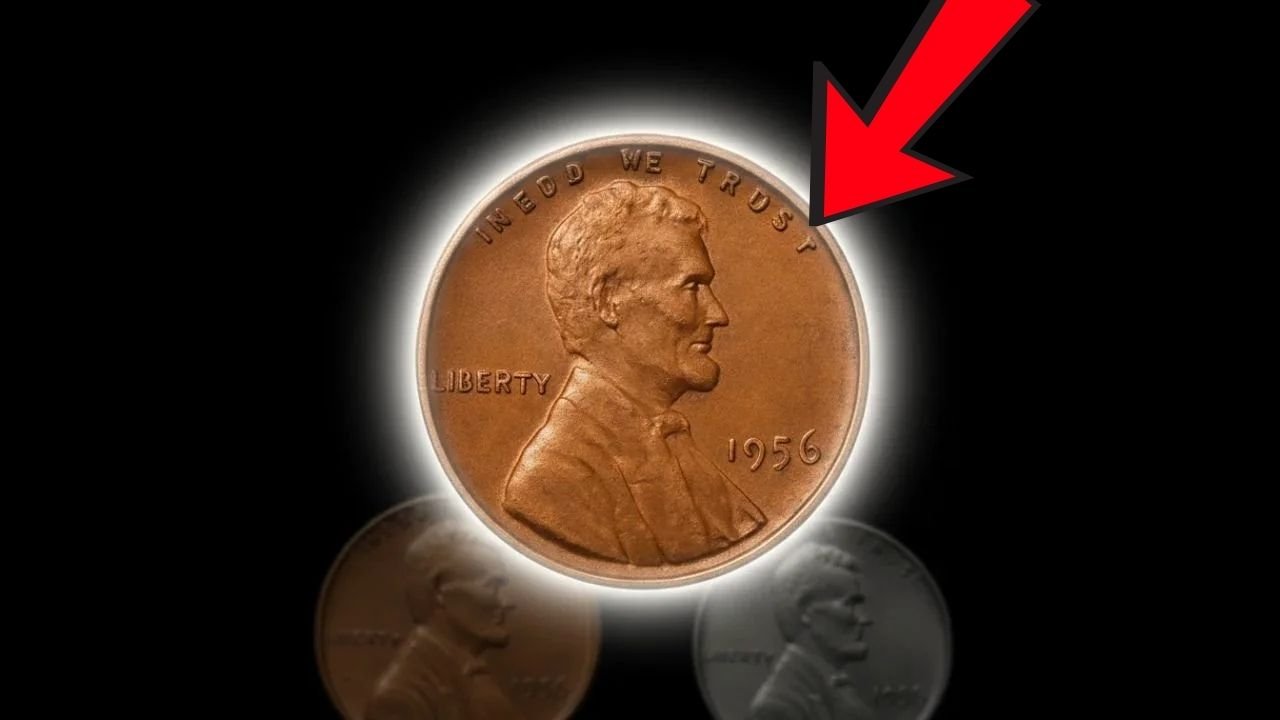
Hey folks, if you’ve ever dug through a jar of loose change and spotted that familiar wheat stalk on the back of an old penny, you might have struck a little gold. Wheat pennies, those classic Lincoln cents made from 1909 to 1958, have been a favorite among coin fans for years. Over the last decade, from 2015 to now in 2025, their worth has climbed in ways that surprise even longtime collectors. This guide breaks it down simple and straight, like chatting over coffee, so you can spot the gems in your pocket change or grandma’s drawer.
What Are Wheat Pennies, Anyway?
Picture this: It’s early 1900s America, and the U.S. Mint starts churning out these one-cent coins with Abe Lincoln’s face up front and two wheat heads on the back. They were everyday money back then, but today they’re like time capsules. Most are copper, though a few rare ones sneaked in steel or even bronze during wartime. What sets them apart? The design screams old-school charm, and tiny details like the year, mint mark, or a doubled letter can turn a dime-store find into dinner money. Collectors love them because they’re affordable starters, but the real thrill comes from hunting rarities.
The Big Climb: Values From 2015 to 2025
Back in 2015, a beat-up wheat penny might fetch just a nickel extra over face value. Fast forward to today, and thanks to more folks getting into coins online and at shows, prices have perked up. Inflation plays a part, sure, but so does the buzz from younger buyers scrolling apps for deals. Common ones in rough shape hold steady low, but shiny uncirculated pieces? They’ve doubled or more. Rare babies in top condition? Sky’s the limit. Check this quick look at average trends for a standard 1940s wheat penny.
| Year | Circulated Value | Uncirculated Value | Notes |
|---|---|---|---|
| 2015 | $0.05–$0.25 | $1–$3 | Steady market |
| 2020 | $0.15–$0.50 | $3–$8 | Online boom starts |
| 2025 | $0.30–$1.00 | $6–$15 | Collector revival |
This table shows how even everyday wheats have gained ground. It’s not overnight riches, but stack a few rolls, and you’re talking real pocket change.
Stars of the Show: Rarities That Paid Off Big
Not all wheat pennies are created equal. Some years or errors make collectors drool, and their prices have jumped like a jackrabbit over the decade. Take the 1909-S VDB, the first wheat with the designer’s initials, or the 1955 doubled die that looks like it got stamped twice. In 2015, you could snag a decent one for under a grand; now, they’re fetching four figures easy. Here’s a snapshot of five hot ones and how their mid-grade values shifted.
| Coin Variety | 2015 Value | 2025 Value | Why It Rose |
|---|---|---|---|
| 1909-S VDB | $400 | $1,200 | Icon status |
| 1914-D | $150 | $500 | Low mintage |
| 1922 Plain | $300 | $900 | Mint error fave |
| 1931-S | $50 | $200 | Scarce survivor |
| 1955 Doubled Die | $800 | $2,500 | Error magic |
These aren’t just numbers; they’re stories of lucky finds at yard sales turning into auction stars. If you spot one, hold onto it tight.
What’s Driving the Wheat Penny Boom?
So why the uptick? Blame it on the internet, for one. Sites like eBay and coin forums let everyday Joes bid from their couches, pushing prices higher since around 2018. Then came the pandemic in 2020, when folks stuck home rediscovered hobbies, flooding shows and sales. Younger crowds, those in their 20s and 30s, are jumping in too, drawn by TikTok videos of penny hunts. Add a dash of silver and gold prices spiking, and copper coins like wheats look like smart bets. Experts say it’s a mix of nostalgia and smart investing, with no signs of slowing down through 2025.
Smart Moves for Starting Your Hunt
Ready to dive in? Start small and smart. Grab a magnifying glass and a basic coin book from the library, nothing fancy. Check dates and edges for mint marks, like a tiny D for Denver. Join free online groups to learn without spending a dime. When buying, stick to trusted sellers and get pieces graded if they’re keepers, though that’s for bigger fish. Sort through family jars first, you never know. And remember, the fun’s in the chase, not just the cash.
In the end, wheat pennies remind us history’s tucked in the tiniest spots. Over these 10 years, they’ve gone from forgotten fillers to feel-good flips. Whether you’re in it for profit or just the spark of discovery, this era’s a sweet spot to collect. Dust off that change bowl today, who knows what tale you’ll uncover next?