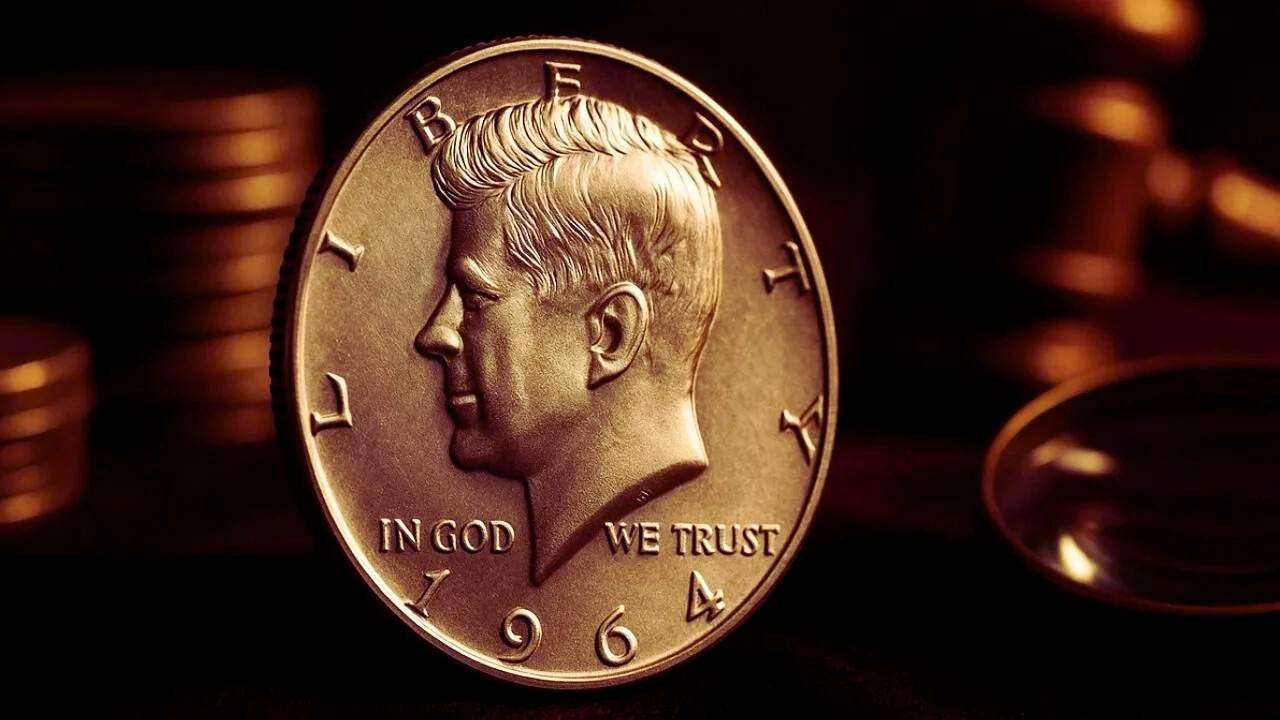
A Penny from Grandpa’s Jar
Picture this: a dusty old jar in the back of a garage, full of loose change from decades ago. That’s where Tom Reilly from small-town Iowa found it last summer. He was cleaning out his late grandpa’s stuff when a shiny copper coin caught his eye. It looked like any other wheat penny, those old one-cent pieces with Lincoln’s face and stalks of wheat on the back. But this one? It turned out to be a game-changer. After a quick snap on his phone and a post to a coin forum, experts swarmed in. Turns out, this 1909-S VDB wheat penny wasn’t just rare – it hid a secret that drove its price to a jaw-dropping $5.9 million at auction last week. Tom’s simple find made headlines and sparked a frenzy among collectors.
The Coin That Broke Records
Wheat pennies rolled off mints from 1909 to 1958, but only a handful stand out as true treasures. Tom’s coin, minted in San Francisco with the designer’s initials VDB on the back, is one of the holy grails. Fewer than 500 were made that year before folks complained about the initials, and most got melted down. But what pushed this one over the edge? A hidden doubled die error on Lincoln’s ear, plus pristine red coloring from never seeing circulation. Auction houses buzzed as bids flew from Japan to New York. It smashed the old record of $1.1 million for a similar piece, landing Tom and his family a windfall bigger than most folks see in a lifetime.
To give you a quick sense of how wild this is, check out these past big sales for wheat pennies.
| Year Minted | Auction Price | Why It Sold High |
|---|---|---|
| 1909-S VDB | $1.1 million (2023) | Super rare, top grade |
| 1943 Bronze | $840,000 (2021) | Wartime error coin |
| 1917 Doubled Die | $120,000 (2019) | Clear doubling mistake |
Uncovering the Hidden Flaw
The real magic – or “secret” as Tom’s calling it – came from a microscope check at a coin show. Under high zoom, experts spotted tiny doubled lines on the portrait, a minting goof from the early 1900s when machines jammed. Add that to the coin’s story: Grandpa Reilly got it as change in 1910 from a bank teller who knew the designer Victor David Brenner. Family letters proved it, tying the penny to history like a thread from the past. No wear, no scratches – just pure, fiery copper glow. Numismatists say it’s like finding a diamond in a haystack. Tom’s wife jokes they almost used it as a coaster.
How One Coin Changed Lives
For Tom, a 52-year-old mechanic with two kids in college, the cash means paying off the house and funding dreams. He plans to start a small coin shop in town, sharing the hobby that hooked him. The auction, held at Heritage in Dallas, drew 200 watchers online. Bidding started at $2 million and climbed fast, with a mystery buyer from Europe sealing the deal. Experts warn fakes are popping up now, so check your jars carefully. But Tom’s tale reminds us: everyday junk can hold fortunes. Local news crews camped out, turning his quiet street into a spotlight.
Here’s a simple breakdown of what makes a wheat penny valuable.
| Feature | Impact on Value | Example |
|---|---|---|
| Mint Mark | Boosts rarity | S for San Francisco |
| Condition | Keeps it high | MS-68 grade, no wear |
| Error Type | Skyrockets price | Doubled die on face |
Collectors Go Crazy
Word spread like wildfire on social media, with coin buffs sharing tips on spotting winners. Forums lit up with “Is this the next one?” posts, complete with blurry photos. One guy in Florida claims his jar has a twin, but pros say hold off – verification takes time. The sale bumps wheat penny interest, with prices for common ones up 20% already. Kids are digging through grandma’s purses, hoping for luck. Tom’s advice? Clean gently, snap clear pics, and call an expert. No rushing to melt it down like back in the day.
A Piece of American History
This penny isn’t just money; it’s a snapshot of tougher times. Minted when cars were new and folks rode horses, it survived wars and depressions. Victor Brenner’s design honored Lincoln, and that VDB flap showed how public opinion shaped our cash. Tom’s find bridges generations, from 1909 to 2025. As he pockets the check, he keeps one family letter framed: “This little coin’s got stories.” Auction fees took a bite, but net gain? Life-changing. Who knows what else lurks in attics nationwide.
What’s Next for Penny Hunters
With this sale, experts predict more records as old estates empty out. Baby boomers downsizing mean fresh hauls at flea markets. Tom’s partnering with a museum for a display, letting folks see the secret up close. If you’re hunting, start with dates like 1909 or 1955 – doubles and errors hide there. Simple tools like a magnifying glass beat fancy gear. In the end, it’s not always about the bucks; it’s the thrill of the chase. Tom’s story proves: sometimes, the smallest things pack the biggest punch.