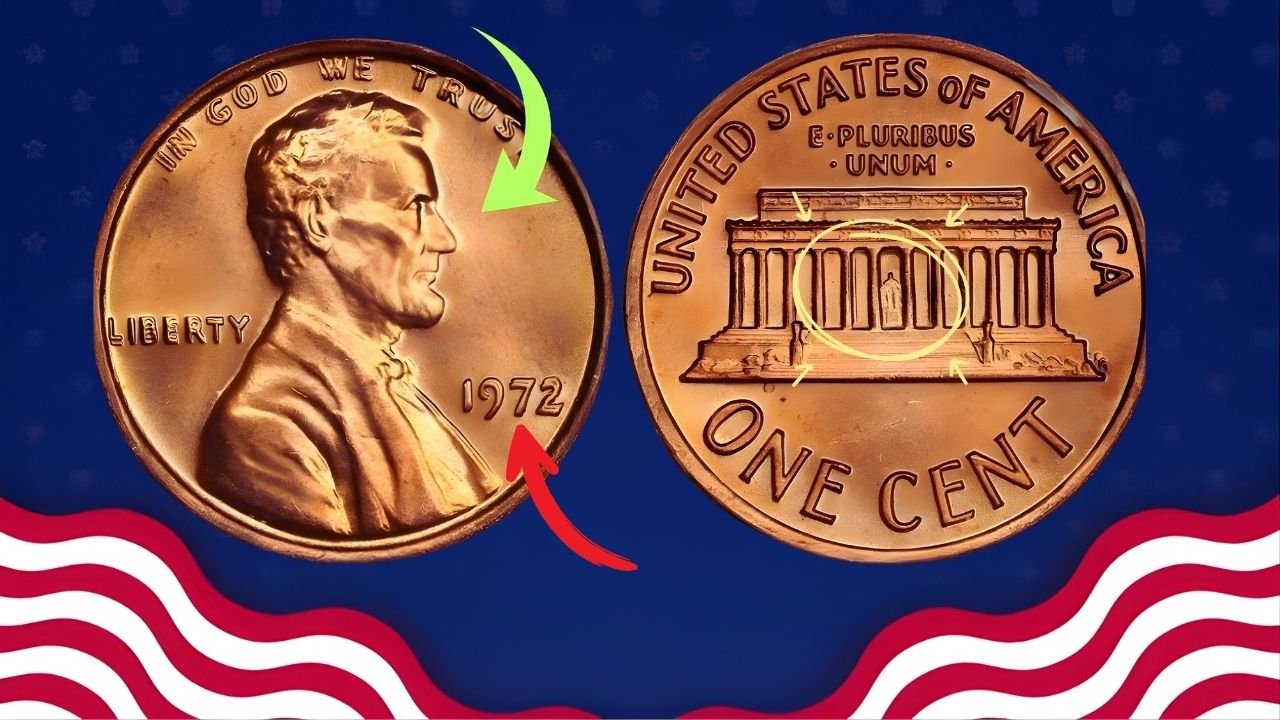
A Quick Look at America’s Favorite Penny
Folks across the country love digging through old jars for Lincoln pennies. These little one-cent coins started in 1909 to honor Abraham Lincoln on his 100th birthday. They feature his face on the front and wheat stalks on the back until 1959. What makes them exciting is that some years turn out to be worth way more than face value. Collectors hunt for rare dates, mint marks, and odd mistakes that bump up the price. In 2025, with coin shows popping up everywhere, it’s a great time to check your change. This guide breaks down values by year in simple terms, so you can spot a winner without getting lost in fancy jargon.
Why Values Change Over Time
Penny values depend on a few basics. First, how many were made that year. Low mintage means fewer around, so higher prices. Second, the condition matters a ton. A shiny coin graded near perfect can fetch thousands, while a beat-up one might just get a buck. Third, errors like doubled letters or wrong metals make hearts race. Auction houses like Heritage report sales spiking lately, with a 1943 copper penny hitting over a million bucks last year. Supply and demand drive it all. As more folks get into collecting, even common dates hold steady value.
Early Years: The Tough Finds from 1909 to 1920
The first Lincoln pennies came from three mints: Philadelphia (no mark), Denver (D), and San Francisco (S). The 1909-S VDB is the holy grail here, thanks to Victor David Brenner’s initials on the back that got yanked quick. It sold for up to 2,500 dollars in top shape recently. Other stars include the 1914-D, which dipped low in production during World War I. Values start at a few hundred for decent ones. Here’s a quick table on some key early dates.
| Year | Mint Mark | Value Range (Good to Fine) |
|---|---|---|
| 1909-S VDB | S | 800 to 1,500 dollars |
| 1914-D | D | 200 to 700 dollars |
| 1922 No D | None | 500 to 2,500 dollars |
These can climb fast if you find one uncirculated.
Mid-Century Gems: 1920s to 1940s Surprises
Moving into the 1920s and 1930s, the Great Depression cut mint numbers, creating scarcities. The 1931-S stands out with under a million made. It goes for 60 to 200 dollars easy. Then comes the big one: 1943. Wartime needed copper for shells, so they struck pennies in steel. But a handful slipped through in bronze, worth tens of thousands or more. A Denver version even topped 800,000 dollars at auction. The 1940s wrap with solid values across the board, but watch for doubled dies that double the fun and the price.
Post-War Picks: 1950s and Beyond
After the war, production boomed, but errors kept things spicy. The 1955 doubled die obverse looks like it’s seeing double on the date and words. Common ones fetch hundreds, but gems hit thousands. By 1959, the wheat design gave way to the Lincoln Memorial, shifting values a bit. Modern pennies from the 1960s on rarely top a few bucks unless they’re proofs or special strikes. Still, roll hunting in banks can uncover wheat-era holdovers worth checking.
| Year | Variety | Value Range (Average) |
|---|---|---|
| 1931-S | Standard | 60 to 200 dollars |
| 1943 Bronze | Philadelphia | 10,000 to 100,000+ dollars |
| 1955 Doubled Die | None | 1,000 to 5,000 dollars |
These picks show how mistakes pay off big.
Tips for Starting Your Collection
Jump in without spending a fortune. Start with a coin folder from the drugstore to hold your finds. Check dates like 1909, 1914, and 1955 first. Use a magnifying glass for mint marks under the date. Join online forums or local clubs to learn from others. Clean coins gently with water and soap, but never polish, as that hurts value. Sell through eBay for quick cash or auctions for top dollar. Remember, the joy is in the hunt, not just the haul.
Wrapping Up the Penny Hunt
Lincoln pennies prove small things can hold big stories. From humble pocket change to collector treasures, they’ve spanned over a century. With values holding strong in 2025, now’s your shot to build a set. Whether you’re after that elusive 1909-S or just enjoying the history, keep an eye out. Who knows, your next vending machine quarter might buy you a rare cent worth a fortune. Happy collecting, friends.