A Surprise Find in Everyday Cash
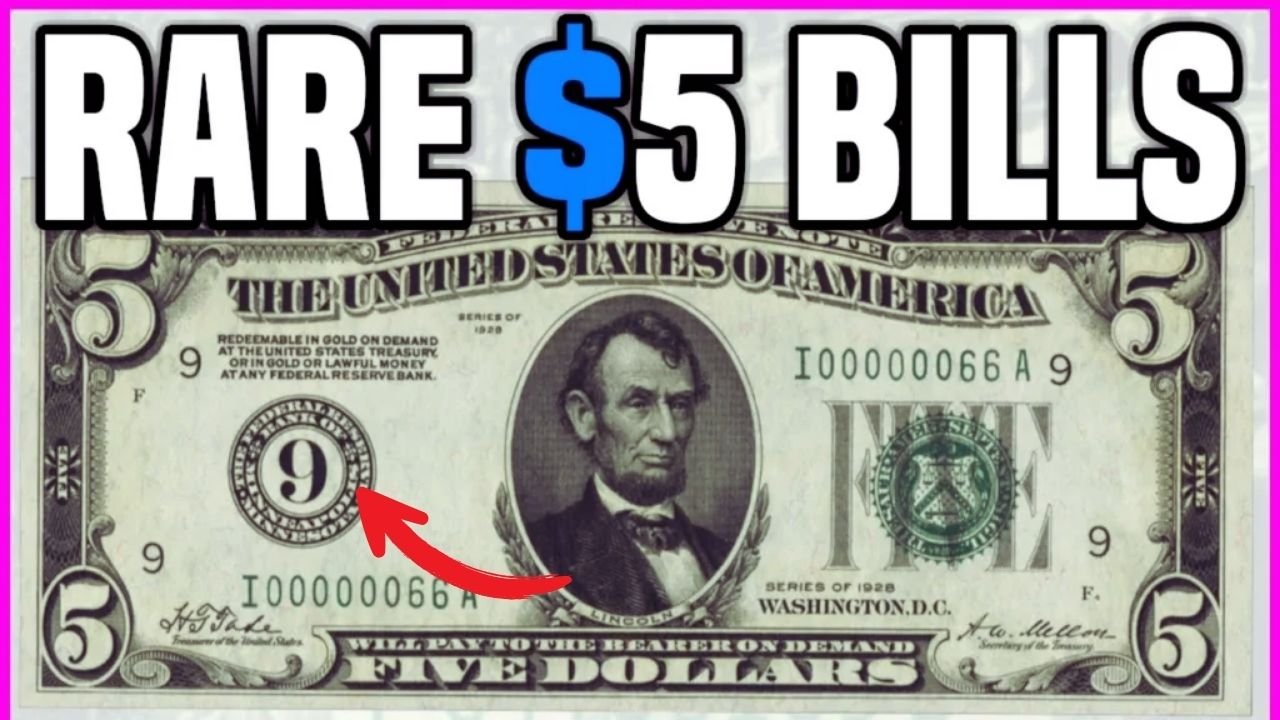
Folks, if you’ve got some loose change or old bills tucked away in a drawer, now might be the time to take a closer look. That crumpled five-dollar bill from the 90s could be hiding a big secret. We’re talking about a rare goof-up from the U.S. Treasury back in 1995, where the fancy green seal on the bill ended up printed upside down. It’s not just a quirky mistake; it’s turned into a hot item for money collectors, sometimes fetching way more than its face value. Imagine pulling out your wallet and spotting one of these gems. It happens more often than you think, especially if you’re digging through grandma’s cookie jar of savings.
This error bill has been making waves lately, with stories popping up on social media and collector forums. People are sharing pics of their finds, and auction sites are buzzing. But before you rush to sell, you need to know what you’re looking at. It’s easy to miss if you’re not paying attention, and fakes are out there too. Let’s break it down simple, like chatting over coffee at the diner.
The Story Behind the Mix-Up
Back in the mid-90s, the Bureau of Engraving and Printing was cranking out millions of five-dollar notes. These bills show Abraham Lincoln up front and the Lincoln Memorial in the back, just like today. But during one batch in 1995, something went haywire on the printing press. The green Treasury seal, which sits on the right side and shows an eagle with arrows and an olive branch, got flipped 180 degrees. Instead of pointing the right way, it’s staring back at you from the wrong direction.
No one knows exactly how many of these slipped through quality checks, but experts guess only a few hundred exist in good shape. They hit circulation without a fuss, ending up in tip jars, vending machines, and kids’ piggy banks. Over the years, savvy collectors started hunting them down, and prices climbed. It’s a reminder that even the government isn’t perfect, and those little slip-ups can pay off big for everyday folks.
How to Spot the Upside-Down Wonder
Grabbing a bill and flipping it over won’t cut it; you need to inspect it close. Start by holding it up to a light or using your phone’s magnifier. The key is that green seal on the right edge, near the top. In a normal 1995 five, it’s upright, with the eagle’s head facing left. But on the error version, it’s totally reversed, like someone hit the rotate button by accident.
Don’t forget the basics to make sure it’s real. The paper should feel crisp with those tiny red and blue threads woven in. The ink shifts color a bit when you tilt it, thanks to the security strip. And the serial numbers? They run straight across, matching on both ends. If anything looks off, like blurry printing or weird colors, it might be a knockoff.
Here’s a quick guide to check the main features:
| Feature | Normal Bill | Error Bill |
|---|---|---|
| Series Year | 1995, right side below signature | Same, but paired with flipped seal |
| Green Seal Position | Right side, upright eagle | Right side, eagle upside down |
| Black Reserve Seal | Left side, district letter (A-L) | Left side, normal and level |
This table should help you eyeball it fast. Take your time, though; rushing could mean missing out.
Putting a Price Tag on It
So, you’ve got one. Now what? The value depends a lot on how beat-up it is. A worn-out bill from years in a pocket might only pull in a couple hundred bucks. But if it’s crisp as the day it was printed, with sharp corners and no folds, you’re looking at serious cash. Recent sales show these rarities going for anywhere from $500 to over $2,000 at auctions.
Condition is king here, and collectors grade them strict. Things like creases, stains, or tears knock the price down quick. Also, which Federal Reserve district it came from matters; some letters are scarcer than others. If yours has a low serial number or stars at the end, that bumps it up even more.
Check out this breakdown based on shape:
| Condition | Description | Estimated Value |
|---|---|---|
| Circulated | Used, some folds and wear | $100 – $300 |
| Uncirculated | Fresh, no handling marks | $400 – $1,200 |
| Gem Quality | Perfect, like new | $1,500 – $2,500+ |
These numbers come from real deals, but get an expert to appraise yours for the true scoop.
Collectors Share Their Lucky Breaks
Take Sarah from Ohio, for example. She found hers in a box of her late dad’s old receipts while cleaning the garage. “I thought it was just junk mail money,” she laughed in a recent interview. Turns out, it sold for $800 at a local coin show, enough for a family road trip. Stories like hers are everywhere now, fueling a mini-boom in error note hunting.
Then there’s Mike in Texas, a mechanic who’s been flipping burgers for extra cash. He pulled a near-mint one from a customer’s tip jar last month. After verifying with a dealer, he listed it online and watched bids climb to $1,500. “It’s like winning the lottery without buying a ticket,” he said. These tales show anyone can strike gold, but it starts with that simple check.
Safe Steps to Sell or Save
Excited? Hold on. First, snap clear photos from both sides and get it checked by a pro. Hit up a coin shop or use apps from groups like the American Numismatic Association. Steer clear of shady online buyers who lowball you. When selling, sites like eBay work fine, but auctions like Heritage bring in the big fish.
If you’re not ready to part with it, tuck it away right. Use acid-free sleeves to keep out dirt and light. Store flat in a cool, dry spot, away from humid basements. That way, it stays valuable for your kids or grandkids someday.
Dig Through Your Drawers Today
There you have it, plain and simple. That dusty five in your wallet might just be your ticket to something extra. With errors like the 1995 upside-down seal out there, every bill tells a story worth checking. So grab a light, pull out your cash, and see what turns up. Who knows? Your next coffee run could lead to a collector’s dream. Happy hunting, America.