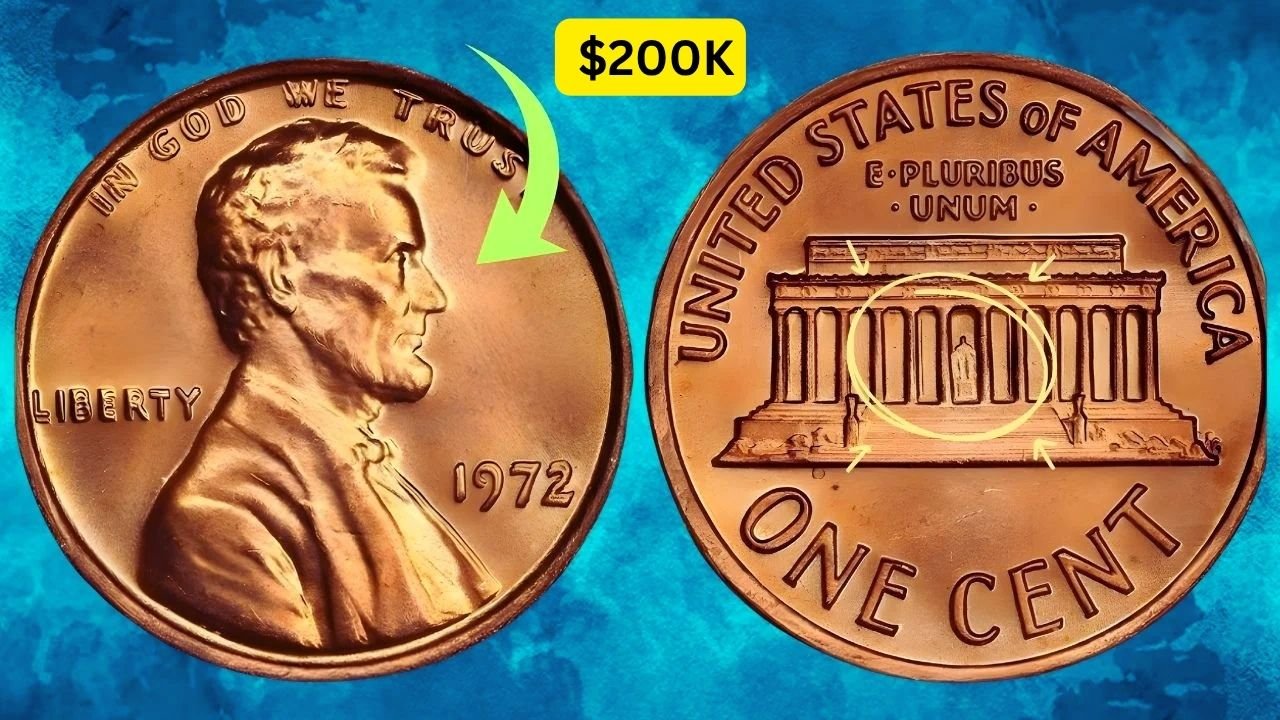
A Penny That Could Change Your Life
Imagine digging through your couch cushions and pulling out a little copper coin worth more than a fancy car. That’s the dream for coin fans right now. Folks across the country are buzzing about the 1943 Lincoln Wheat Penny. This tiny piece of history, made by mistake during World War II, could fetch up to $200,000 at auction. And get this: experts say a few might still be floating around in everyday change. It’s like winning the lottery without buying a ticket. With the economy feeling tight for many, stories like this give people hope that real treasure hides in plain sight.
The Mix-Up That Made It Rare
Back in 1943, the U.S. Mint had to save copper for the war effort. So they switched pennies from bronze to steel. Billions rolled out that way, all shiny and magnetic. But a handful of workers grabbed the wrong blanks from 1942. Those were pure copper. Only about 20 of these error coins are known to exist today. The rest? They slipped into pockets and jars without anyone noticing. It’s a classic oops that turned pocket change into gold.
Why This Penny Stands Out
What makes the 1943 copper penny so special? First off, it’s not magnetic. Grab a fridge magnet and test your old coins. If it sticks, toss it back. The real deal feels heavier and glows that warm orange hue. Look close at the date and you’ll see the wheat stalks on the back, just like other Lincoln cents from 1909 to 1958. Condition matters big time. A beat-up one might go for $100,000, but a mint-fresh beauty? That’s the $200K jackpot. Collectors go nuts over these because they’re one-of-a-kind American stories.
| Condition | Estimated Value |
|---|---|
| Circulated | $100,000 – $150,000 |
| Uncirculated | $200,000+ |
Big Sales That Prove the Hype
These pennies don’t just sit in display cases. They make headlines at sales. Back in 2019, one sold for $204,000 after folks bid like crazy. And in 2010, a top example went for a whopping $1.7 million in a private deal. Lately, YouTube videos and social media posts keep the hunt alive. One clip from this year claims a $200,000 find slipped past everyone. With inflation biting, more people are checking their jars. Who knows? Your grandma’s piggy bank could be loaded.
Other Pennies to Watch For
The 1943 isn’t the only Wheat Penny with star power. Keep an eye out for doubled dies or odd mint marks. These errors pop up now and then and boost value quick. For example, a 1972 doubled die can snag $500 if it’s clean. Simpler stuff like the 1995 doubled die might get you $45. They’re easier to spot and find in change. Numismatists say start with what you have at home. No fancy gear needed, just good eyes and patience.
| Penny Type | Key Feature | Rough Value |
|---|---|---|
| 1943 Copper | Non-magnetic | $200,000 |
| 1969-S Doubled Die | Thick lettering | $35,000 – $75,000 |
| 1992 Close AM | Touching letters | $2,000 – $20,000 |
How to Hunt Without the Hassle
Want to join the fun? Sort through rolls from the bank or scan family heirlooms. Use a magnifying glass for dates and edges. Apps and forums help too, but don’t trust every online tip. Fakes are out there, so head to a coin shop for a real check. It’s free most times and beats getting burned. Remember, the thrill is in the chase. Even if you don’t strike gold, you’re learning about history one cent at a time.
What Happens If You Score Big?
Found a keeper? Don’t spend it on gum. Call in a pro from the American Numismatic Association. They’ll grade it and guide you to buyers. Taxes apply, sure, but so does a fat check. Stories of regular Joes cashing in warm hearts. One guy in Ohio turned his into a down payment on a house. As of November 2025, the buzz is stronger than ever. With holidays coming, maybe Santa’s leaving more than coal. Keep looking, America. Your fortune might be jingling in your pocket right now.