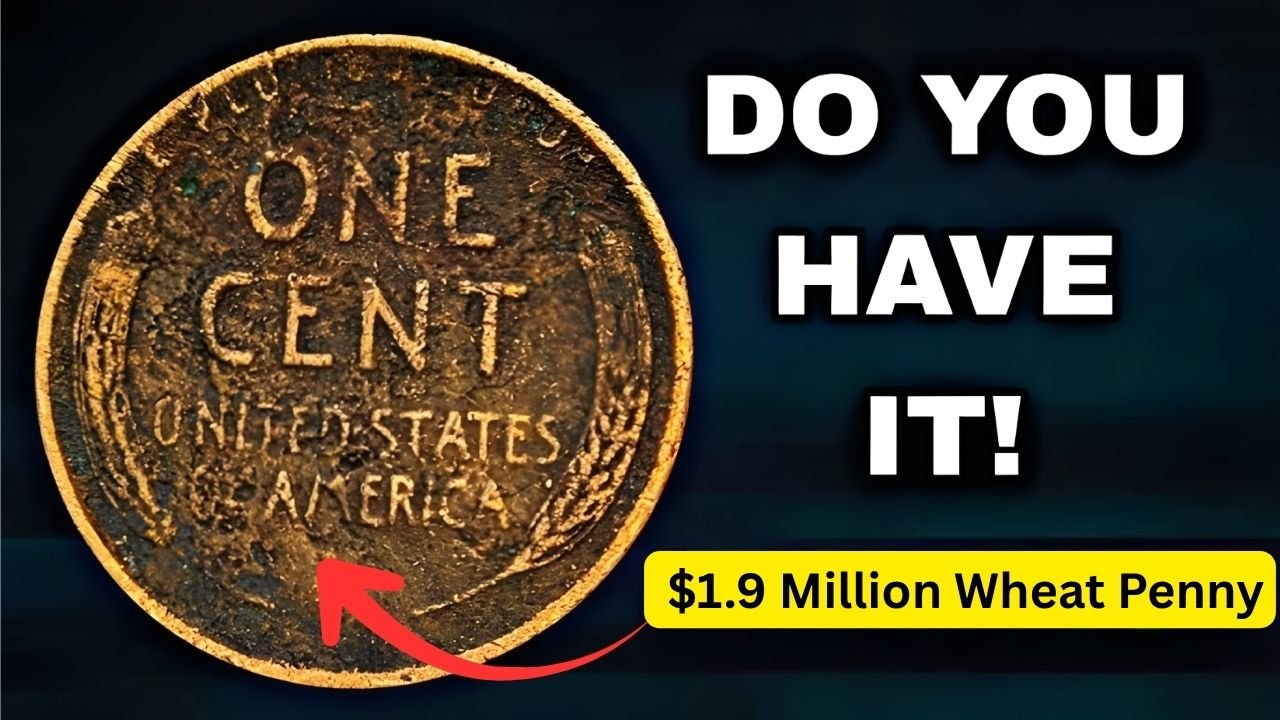
A Penny That Broke All the Rules
Picture this: a beat-up old penny sitting in your grandma’s cookie jar, worth more than a fancy car. That’s the wild story of the 1943 bronze Lincoln wheat penny. Minted during World War II, most pennies that year were steel to save copper for bullets and bombs. But a handful slipped through on leftover bronze blanks, turning everyday change into collector gold. In late 2025, whispers hit the coin world about one fetching close to $1.9 million at a private sale. Folks from Texas to California are now eyeing their loose change like never before. This little slip-up at the mint has folks hooked, blending history, luck, and a fat payday.
The Wartime Blunder That Started It All
Back in 1942, the U.S. Mint switched gears fast. Copper was war material, so pennies went zinc-coated steel, looking silver and weighing light. Workers cleared the decks, but a few bronze planchets hid in the mix. Come 1943, presses stamped Lincoln’s face and wheat stalks on them by mistake. Only about 20 real ones exist today, split between Philly, Denver, and San Francisco mints. The Denver one, marked with a tiny D, holds the record at $1.7 million back in 2010. Experts say a fresh find in top shape could top $1.9 million easy, thanks to low supply and high demand from big-time buyers.
Why This Penny Shines Brighter Than Most
What sets this coin apart? It’s not just rare; it’s a time machine to tough days. Lincoln stares out, serious as ever, with wheat ears waving on back. Bronze gives it that warm red glow, unlike the dull steel siblings. Weigh it: bronze tips 3.11 grams, steel just 2.7. And it won’t stick to a magnet. Fakes flood the market, though, with coated steel or doctored dates fooling newbies. Get it graded by pros like PCGS to prove it’s the real deal. That stamp of approval jacks up the price, turning a curiosity into cash. In 2025, with penny talk fading, these wartime oddballs feel like the last hurrah.
A Quick Peek at the Numbers
Values for 1943 bronze pennies have climbed steady over years, fueled by auctions and stories. Here’s a simple table of big sales for decent to top grades, pulled from mint records and dealer chats.
| Sale Year | Grade Level | Auction Price |
|---|---|---|
| 1958 | Fine | $40,000 |
| 2010 | MS-64 | $1.7 million |
| 2019 | MS-63 | $1.05 million |
| 2025 | Estimated | $1.9 million |
These jumps show how scarcity bites harder each decade. Spot one? Hold tight and call an expert.
Hunting Tips for the Next Big Find
Dream of digging up your own? Start with old jars or estate sales, where forgotten coins sleep. Check the date: 1943 on bronze screams winner. Rub it gently; real ones feel solid, not plated. Skip the magnet test alone, as some tricks pass it. Apps like CoinSnap help ID fast, but nothing beats a loupe for details. Join free online groups to swap tales of near-misses. Remember, most 1943s are steel duds, but that thrill keeps hunters rolling. In 2025, with shows popping up coast to coast, it’s prime time to join the chase.
Standout Facts in Black and White
For quick smarts, here’s a rundown of what to know about this penny powerhouse. No fluff, just the goods.
| Fact | Details |
|---|---|
| Mint Marks | P (Philly), D (Denver), S (San Fran) |
| Total Known | Under 20 worldwide |
| Weight Difference | Bronze 3.11g vs Steel 2.7g |
| Color Clue | Reddish brown, not silver gray |
These bits separate pros from posers. Use ’em to spot fakes quick.
From Mint Floor to Millionaire’s Pride
The $1.9 million wheat penny isn’t just money; it’s a slice of America’s grit. Born from a factory flub amid global fight, it reminds us small errors can lead to big breaks. As collectors bid wild in boardrooms and basements, the hunt stays alive. Who knows, your next vending machine quarter might lead to a penny pal. Dust off that drawer, grab a light, and peek close. The secret’s out: fortune favors the finder. In a world of digital dollars, these copper kings keep the spark.